
Pressure Reducing Valve Installation & Replacement in St. Louis
Protect Your Home’s Plumbing With Proper Water Pressure
Your home’s water pressure should be strong enough for everyday comfort without putting unnecessary stress on your plumbing system. When water pressure becomes too high or inconsistent, it can damage pipes, fixtures, appliances, and water heaters.
At Ramblewood Plumbing Company, we specialize in pressure reducing valve (PRV) installation, replacement, and water pressure troubleshooting throughout the St. Louis area.
Whether your water pressure is too high, fluctuating, or causing plumbing problems, our experienced plumbers can evaluate your system and recommend a reliable solution.


Pressure Reducing Valve Services in St. Louis
Water pressure plays an important role in the performance and longevity of your home’s plumbing system. While strong water pressure may seem like a good thing, excessive pressure can gradually damage pipes, faucets, toilets, water heaters, and other plumbing components.
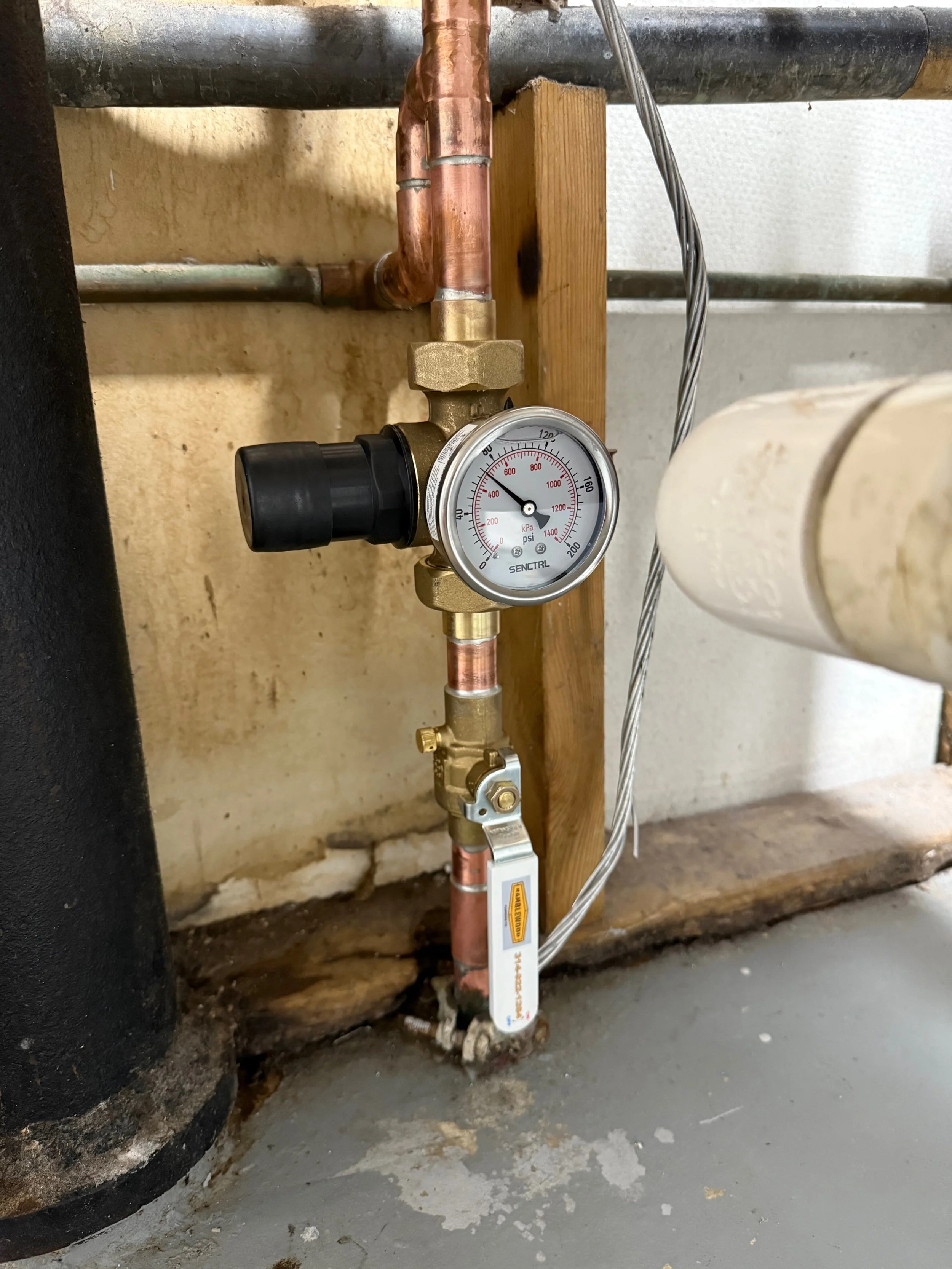
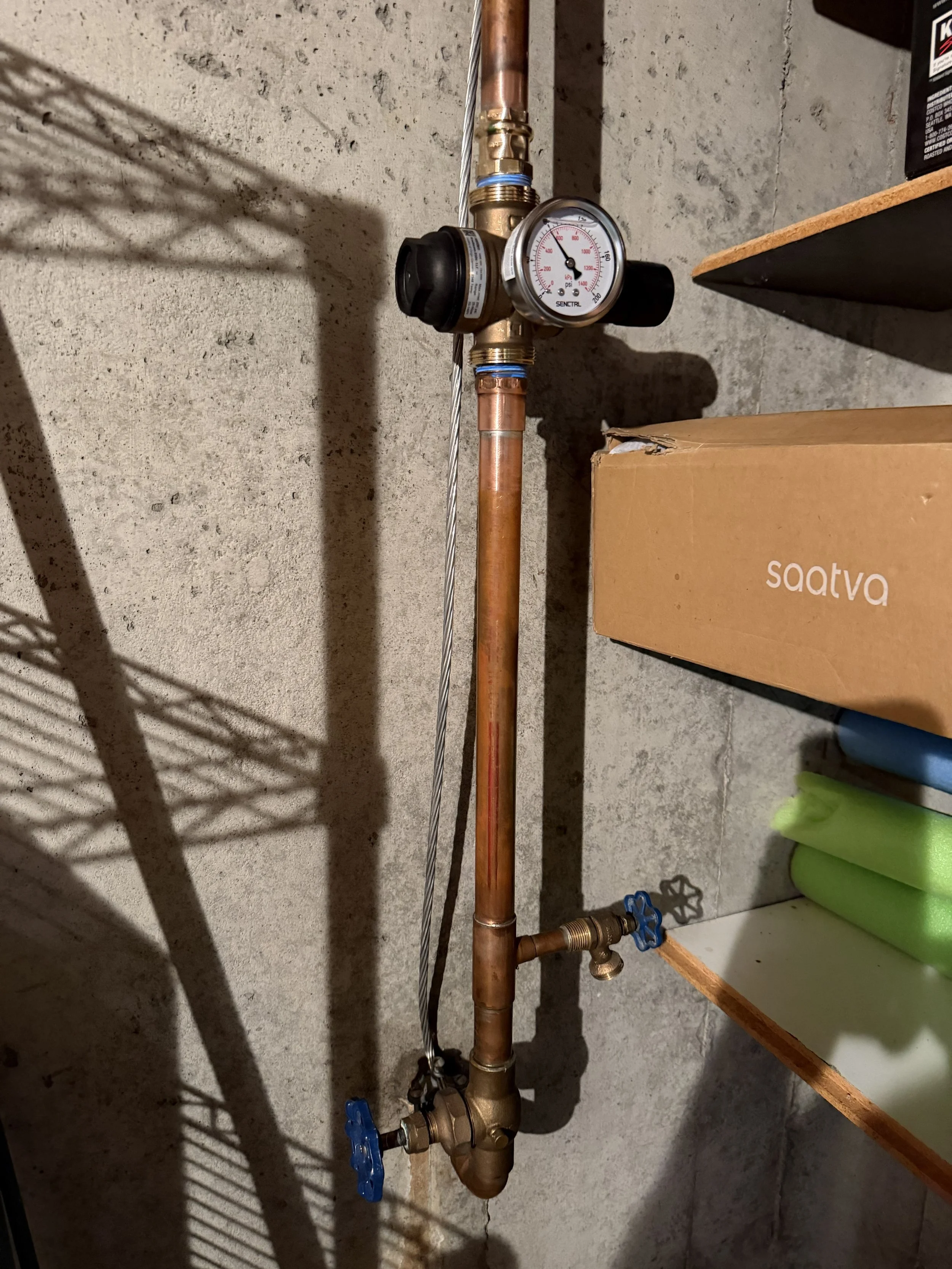
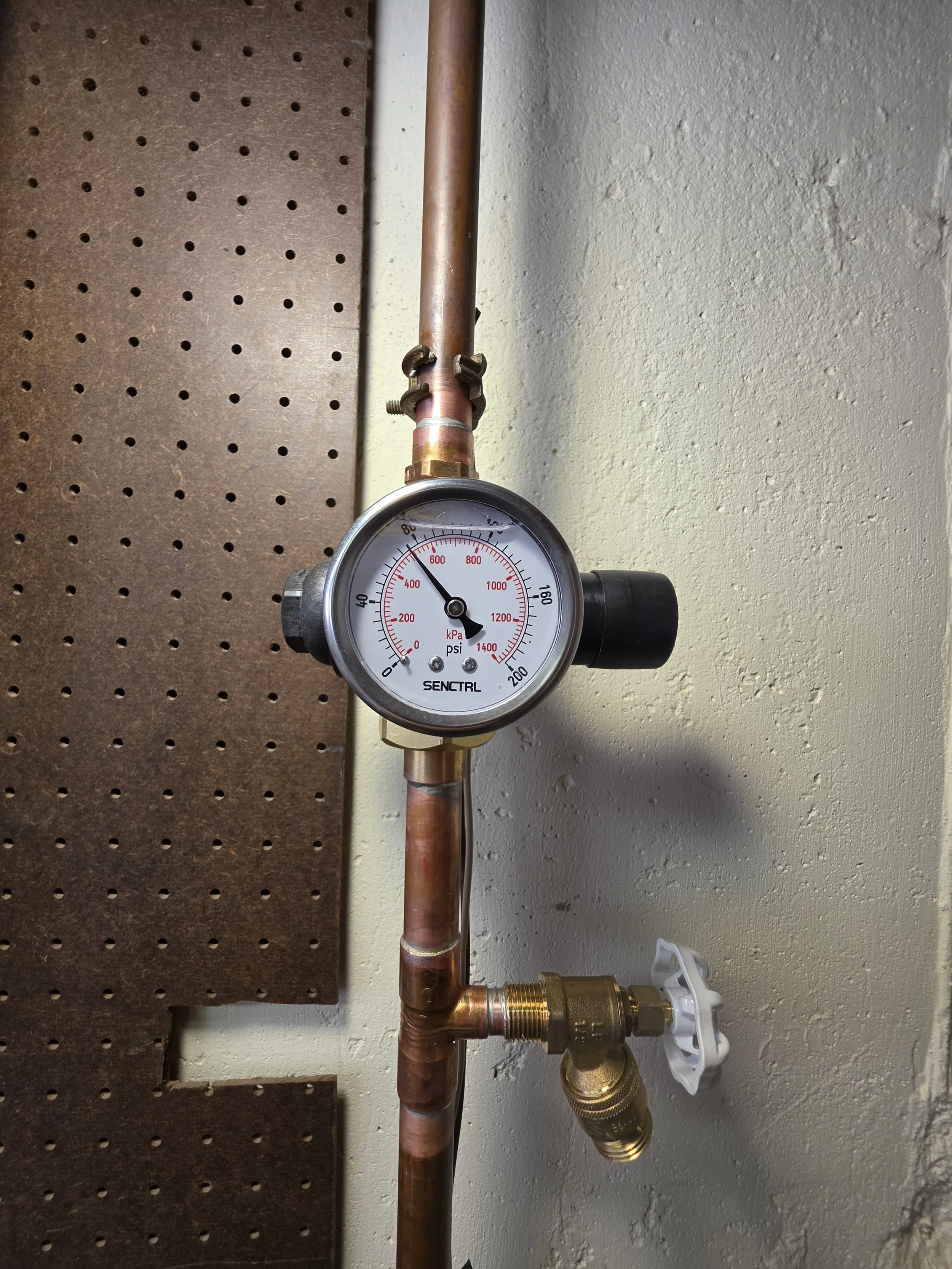
A pressure reducing valve, commonly called a PRV or water pressure regulator, helps control the pressure entering your home from the municipal water supply. By reducing incoming pressure to a safer, more consistent level, a properly functioning PRV helps protect your plumbing system from unnecessary wear.
Many homeowners throughout St. Louis, St. Charles County, and Jefferson County experience water pressure problems without realizing a failing or improperly adjusted pressure reducing valve may be responsible.
Common symptoms include unusually forceful water flow, fluctuating pressure, noisy pipes, leaking fixtures, and premature plumbing component failures.
At Ramblewood Plumbing Company, we provide professional pressure reducing valve installation, replacement, and troubleshooting for residential plumbing systems.
Our plumbers evaluate your incoming water pressure, inspect the existing pressure regulator when one is present, and determine whether adjustment, repair, or replacement is appropriate.
Not every water pressure problem requires a new valve. Sometimes the issue is caused by a partially closed shut-off valve, deteriorating galvanized water lines, a hidden leak, or another restriction within the plumbing system.
We believe in identifying the actual cause before recommending a solution.
Whether you’re replacing an aging water pressure regulator, addressing unusually high pressure, or upgrading your home’s plumbing system, Ramblewood Plumbing Company provides honest recommendations and quality workmanship designed for long-term reliability.
Pressure Reducing Valve Services We Offer
Pressure Reducing Valve Replacement
Over time, pressure reducing valves can wear out, accumulate mineral deposits, or lose their ability to maintain consistent water pressure.
When a PRV is no longer functioning correctly, replacing it can help restore dependable pressure regulation throughout your home.
At Ramblewood Plumbing Company, we inspect the existing valve, evaluate incoming and regulated water pressure, and determine whether replacement is necessary.
When replacement is recommended, we install a properly sized pressure reducing valve suited to your home’s plumbing system.
After installation, we adjust and test the regulator to help ensure water pressure remains within an appropriate range.
Our goal is to protect your plumbing system while maintaining comfortable water pressure for everyday use.
Pressure Reducing Valve Installation
Not every home has a pressure reducing valve.
Depending on the pressure supplied by your local water utility, installing a PRV may be necessary to protect your home’s plumbing system.
Excessive incoming water pressure can place unnecessary stress on plumbing connections, fixtures, water heaters, and appliances.
Our plumbers evaluate your home’s water pressure and determine whether installing a regulator is appropriate.
When needed, we install a properly sized pressure reducing valve and adjust it according to the system’s requirements.
A professionally installed PRV can help provide consistent water pressure while reducing unnecessary wear on your plumbing system.
Water Pressure Testing & Troubleshooting
Not all water pressure problems are caused by a faulty PRV.
Low water pressure may result from corroded galvanized piping, partially closed valves, plumbing leaks, or restrictions in the water supply system.
High water pressure may result from excessive municipal supply pressure or a malfunctioning regulator.
Our plumbers perform water pressure testing and evaluate the condition of your plumbing system to help identify the underlying problem.
By diagnosing the cause rather than simply replacing components, we help homeowners avoid unnecessary repairs and make informed decisions about their plumbing.
Pressure Reducing Valve Adjustment
Sometimes an existing pressure reducing valve is functioning properly but needs adjustment.
A PRV controls downstream water pressure through an adjustable spring and diaphragm mechanism.
When appropriate, our plumbers can adjust the regulator to achieve a suitable pressure for your home.
However, adjusting a worn or damaged valve will not necessarily restore proper operation.
If the valve cannot maintain consistent pressure, replacement may be recommended.
Thermal Expansion Tank Evaluation
Pressure reducing valves and thermal expansion tanks often work together to protect residential plumbing systems.
When a PRV creates a closed plumbing system, water pressure can increase as water inside the water heater expands during heating.
A properly sized thermal expansion tank provides space for this expanding water, helping prevent excessive pressure buildup.
During PRV installation or replacement, our plumbers can evaluate whether your home has adequate thermal expansion protection.
When necessary, we can recommend and install an appropriate expansion tank to help protect your water heater and plumbing system.
Why Choose Ramblewood Plumbing Company?
Your home’s water pressure affects nearly every plumbing fixture and appliance you use.
When a pressure reducing valve fails, you need an experienced plumber who understands how the entire plumbing system works—not just how to replace one component.
At Ramblewood Plumbing Company, we believe in identifying the cause of plumbing problems and providing dependable solutions.
What to Expect During PRV Installation or Replacement
Step 1 — Water Pressure Evaluation
We begin by testing your home’s water pressure and discussing any problems you’ve noticed.
Step 2 — Plumbing System Inspection
Our plumber evaluates the existing pressure reducing valve, water supply connections, shut-off valves, and related plumbing components.
Step 3 — Diagnosis & Recommendations
We’ll explain whether your PRV needs adjustment, repair, or replacement and provide recommendations based on the condition of your system.
Step 4 — Professional Installation
If replacement is necessary, we remove the existing regulator and install a properly sized pressure reducing valve using quality materials.
Step 5 — Pressure Adjustment & Testing
We adjust the new regulator, verify downstream water pressure, and inspect the connections for leaks.
Step 6 — Final Walkthrough & Cleanup
Before leaving, we explain the completed work, answer your questions, and clean the work area.
Why Proper Water Pressure Matters
Excessive water pressure may not cause immediate problems, but it can gradually shorten the lifespan of plumbing fixtures, appliances, and connections.
When water pressure is consistently too high, components throughout your home experience additional stress every time water is used.
This can contribute to leaking faucets, failing toilet fill valves, damaged appliance hoses, and premature plumbing repairs.
A properly functioning pressure reducing valve helps maintain a more consistent pressure level throughout your home.
For homeowners with aging plumbing systems, maintaining appropriate water pressure is especially important.
Older galvanized pipes, deteriorating fittings, and aging supply connections may already be vulnerable to leaks.
Proper pressure regulation helps reduce unnecessary stress on these components.
A pressure reducing valve is a relatively small plumbing component that plays an important role in protecting your entire home.
Homeowner Education
What Is a Pressure Reducing Valve?
A pressure reducing valve, also called a PRV or water pressure regulator, is a plumbing device designed to reduce incoming water pressure to a controlled level.
Municipal water systems must maintain sufficient pressure to deliver water throughout neighborhoods and communities. Depending on your home’s location and elevation, that incoming pressure may be higher than what’s appropriate for residential plumbing.
A PRV is typically installed near the point where the main water supply enters the home.
Inside the valve, a spring and diaphragm mechanism regulate downstream water pressure.
When functioning correctly, the valve helps maintain relatively consistent pressure even when incoming supply pressure changes.
This protects plumbing fixtures, appliances, and water supply connections from excessive pressure.
Not every home requires a pressure reducing valve. Whether one is needed depends on incoming pressure, local plumbing requirements, and the home’s plumbing system.
If you’re unsure whether your home has a PRV, Ramblewood Plumbing Company can inspect your plumbing and explain how your water pressure is regulated.
What Is Normal Water Pressure for a House?
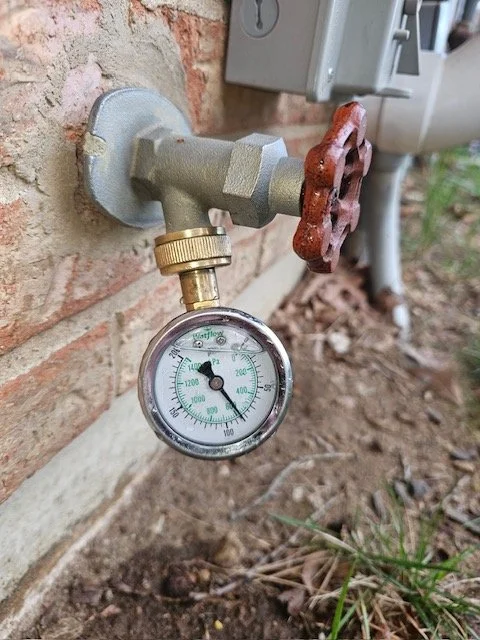
For many residential plumbing systems, water pressure around 40–60 PSI provides a comfortable balance between performance and protection.
PSI stands for pounds per square inch and measures the pressure within your plumbing system.
Water pressure above 80 PSI is generally considered excessive for residential plumbing systems, and plumbing codes commonly require pressure regulation when incoming pressure exceeds that level.
High pressure can place unnecessary stress on faucets, toilets, supply lines, water heaters, and plumbing connections.
However, water pressure that’s too low can also create problems.
Low pressure may cause weak showers, slow-filling appliances, and poor performance when multiple fixtures are used simultaneously.
A properly functioning pressure reducing valve helps maintain an appropriate pressure level based on your home’s plumbing system.
If you’re experiencing unusually high, low, or inconsistent water pressure, professional testing can help identify the cause.
How Long Does a Pressure Reducing Valve Last?
Pressure reducing valves commonly provide many years of service, but their lifespan varies depending on water quality, usage, incoming pressure, and maintenance.
Many homeowners begin experiencing problems with older PRVs after approximately 10–15 years, although some valves last longer and others fail sooner.
Mineral deposits, sediment, internal wear, and deteriorating components can gradually affect a valve’s ability to regulate pressure.
In some cases, a failing PRV allows water pressure to rise above the intended setting.
In others, the valve may restrict flow and contribute to low water pressure.
Because these symptoms can resemble other plumbing problems, proper diagnosis is important.
If your water pressure regulator is aging or no longer maintaining consistent pressure, Ramblewood Plumbing Company can evaluate whether adjustment, repair, or replacement is the most practical option.
Can High Water Pressure Damage My Plumbing?
Yes. Excessive water pressure can contribute to premature wear and damage throughout a residential plumbing system.
Although strong shower pressure may feel desirable, pressure that’s consistently too high can stress plumbing connections, fixture components, and appliance supply hoses.
Over time, this additional stress may contribute to leaks and premature failures.
High water pressure can also worsen water hammer, which occurs when flowing water suddenly stops and creates a pressure surge within the plumbing system.
A pressure reducing valve helps regulate incoming water pressure, but other plumbing components may also be necessary to address water hammer or thermal expansion.
If your home’s water pressure is excessive, addressing the problem early can help protect your plumbing system and reduce the likelihood of future repairs.
Can a Bad PRV Cause Low Water Pressure?
Yes. Although pressure reducing valves are designed to prevent excessive water pressure, a malfunctioning PRV can sometimes cause pressure or flow problems.
Mineral buildup, debris, worn internal components, or an improperly adjusted regulator may restrict water flow.
Homeowners may notice weak shower pressure, slow-filling fixtures, or a significant drop in pressure when multiple fixtures operate simultaneously.
However, low water pressure isn’t always caused by a PRV.
Older galvanized water lines are another common cause of restricted water flow in St. Louis homes.
As galvanized steel pipes age, corrosion and mineral deposits accumulate inside the piping, reducing the available space for water to flow.
A professional plumbing evaluation can help distinguish between a faulty pressure reducing valve and deteriorating water lines.
Pressure Reducing Valve Repair vs. Replacement
| PRV Adjustment or Repair May Be Best | PRV Replacement May Be Best |
|---|---|
| Valve is relatively new | Valve is significantly aged |
| Pressure setting needs adjustment | Pressure cannot be regulated consistently |
| Minor serviceable component issue | Internal components are severely worn |
| Valve is otherwise in good condition | Visible corrosion or significant leakage |
| Manufacturer-approved repair is practical | Repairs are becoming frequent or costly |
| Pressure stabilizes after adjustment | Pressure continues fluctuating after testing |
Every plumbing system is different. Our plumbers evaluate the condition of your regulator and explain whether repair, adjustment, or replacement provides the best long-term value.
Signs Your Pressure Reducing Valve May Need Replacement
A failing pressure reducing valve can cause several noticeable plumbing problems.
Watch for these common warning signs:
High water pressure: Water comes out of faucets or showerheads with excessive force.
Fluctuating water pressure: Pressure changes unexpectedly while using plumbing fixtures.
Banging or noisy pipes: Sudden pressure changes may contribute to water hammer.
Leaking faucets or toilets: Excessive pressure can accelerate wear on internal seals and components.
Frequent plumbing repairs: Fixtures, supply lines, and valves may fail more often than expected.
Water heater relief valve discharge: Excessive pressure or thermal expansion may cause the temperature and pressure relief valve to release water.
Unusually low water pressure: A malfunctioning PRV can sometimes restrict water flow.
Visible corrosion or leaks: Water leaking around the regulator may indicate deterioration.
Inconsistent shower pressure: Pressure changes may become noticeable when other fixtures operate.
An aging water pressure regulator: Older valves may gradually lose their ability to regulate pressure properly.
If you’re experiencing these symptoms, a professional water pressure evaluation can help determine whether your PRV needs adjustment, repair, or replacement.
Why St. Louis Homeowners Choose Ramblewood
Family-Owned & Locally Operated
We’re proud to serve the communities where we live and work.
Master Plumber With Over 20 Years of Experience
Our experience allows us to identify water pressure problems and recommend appropriate solutions.
Honest Recommendations
We don’t recommend replacing plumbing components when a dependable repair or adjustment will solve the problem.
Quality Workmanship
We use reliable plumbing materials and professional installation methods.
Clean & Respectful Service
We treat your home with the same care we’d expect in our own.
Clear Communication
We explain what we find, discuss your options, and answer your questions before beginning work.
Long-Term Plumbing Solutions
Our goal is to protect your plumbing system and reduce the likelihood of recurring problems.
At Ramblewood Plumbing Company, we take pride in treating your home like it’s our own.
Service Areas
Ramblewood Plumbing Company proudly provides water heater repair, replacement, installation, and maintenance throughout St. Louis City, St. Louis County, Jefferson County, and St. Charles County. We regularly serve homeowners in Kirkwood, Webster Groves, Ballwin, Chesterfield, Wildwood, Fenton, Arnold, Oakville, Affton, Crestwood, Eureka, High Ridge, House Springs, Festus, and many surrounding communities.
Frequently Asked Questions About Pressure Reducing Valves
How do I know if my pressure reducing valve is bad?
Common symptoms include high water pressure, fluctuating pressure, noisy pipes, leaking fixtures, or unusually low water pressure. Professional pressure testing can help determine whether the PRV is malfunctioning.
What should my home’s water pressure be?
Many homes operate comfortably around 60-80 PSI. Residential water pressure generally should not exceed 80 PSI.
Can a pressure reducing valve be repaired?
Some PRVs can be adjusted or repaired using manufacturer-approved replacement components. Older or severely worn valves may require replacement.
Where is my pressure reducing valve located?
A PRV is commonly installed near the main water supply entrance, often in a basement or utility area.
How long does PRV replacement take?
Many straightforward residential PRV replacements can be completed within a few hours. The actual timeline depends on accessibility, piping condition, and installation requirements.
Can high water pressure cause plumbing leaks?
Yes. Excessive water pressure can place additional stress on pipes, fittings, faucets, toilets, and appliance connections.
Does every home need a pressure reducing valve?
No. The need for a PRV depends on incoming water pressure and applicable plumbing requirements.
Can a bad PRV affect my water heater?
Yes. Excessive system pressure can stress water heater connections and components. Thermal expansion may also need to be addressed.
Should I replace my PRV when replacing my water heater?
Not automatically. However, water heater replacement is a good opportunity to evaluate your home’s water pressure and thermal expansion protection.
Have more questions? Visit our Pressure Reducing Valve FAQ page for additional homeowner information.
Related Plumbing Services
Water pressure problems can involve several
components of your home’s plumbing system.
Ramblewood Plumbing Company also provides:
Water Line Repair & Replacement
Repair leaking water lines, replace deteriorating
galvanized piping, and address water flow restrictions.
Main Water Shut-Off Valve Replacement
Maintain dependable control of your home’s water
supply with professional shut-off valve replacement.
Water Heater Repair & Replacement
Protect your hot water system with professional
water heater installation, repair, and maintenance.
Thermal Expansion Tank Installation
Help protect closed plumbing systems from
pressure increases caused by water heating.
Whole-Home Plumbing Inspections
Evaluate your home’s plumbing system and identify
aging components or potential problems.
Upgrade aging plumbing, replace fixtures, and
improve water distribution during remodeling projects.
What Our Customers Are Saying
Loryn N. — ⭐️⭐️⭐️⭐️⭐️
“The plumber arrived right on time, clearly explained the issue with our water heater and water pressure, and got to work right away.”
Ravi V. — ⭐️⭐️⭐️⭐️⭐️
“Our tech Eric was punctual, professional and very knowledgeable. He explained everything in detail and completed the job much to our satisfaction.”
Schedule Pressure Reducing Valve Service in St. Louis
Experiencing High Water Pressure? We’re Here to Help.
Whether your home’s water pressure is too high, too low, or constantly fluctuating, Ramblewood Plumbing Company can help identify the problem and recommend the right solution.
From pressure reducing valve replacement and installation to water pressure testing and plumbing system evaluations, our experienced team provides dependable service with honest recommendations and quality workmanship.
As a family-owned plumbing company serving Greater St. Louis, we believe in treating every home like it’s our own.
Don’t wait for excessive water pressure to damage your plumbing system.
Contact Ramblewood Plumbing Company today to schedule professional pressure reducing valve service.