
Water Line Repair & Water Line Replacement in St. Louis
Restore reliable water pressure and protect your home from hidden leaks with professional water line repair and replacement from Ramblewood Plumbing Company. Whether you’re dealing with a leaking water line, deteriorating galvanized piping, or planning to upgrade aging plumbing, we’re here to provide honest recommendations and quality workmanship built to last.
Call Now | Schedule Service
⭐⭐⭐⭐⭐ Trusted by homeowners throughout the St. Louis metro area.
Your home’s water lines are responsible for delivering clean, pressurized water to every faucet, shower, toilet, dishwasher, washing machine, and plumbing fixture. Because these pipes are hidden behind walls, under floors, and beneath your property, many homeowners don’t think about them until something goes wrong. Unfortunately, by the time symptoms appear, the problem may have been developing for years.
At Ramblewood Plumbing Company, we provide professional water line repair, water line replacement, and plumbing system upgrades throughout St. Louis City, St. Louis County, Jefferson County, and St. Charles County. Whether you’re dealing with a hidden leak, poor water pressure, aging galvanized pipes, or a damaged main water service line, our experienced plumbers can diagnose the problem and recommend the most effective long-term solution.
Many older homes throughout the St. Louis area were originally built with galvanized steel water lines. While galvanized pipe was once considered a durable plumbing material, decades of mineral buildup and internal corrosion eventually restrict water flow, reduce water pressure, discolor water, and increase the likelihood of leaks. In many cases, homeowners don’t realize the true condition of their plumbing until they begin remodeling or experience recurring plumbing problems.
Not every water line issue requires complete replacement. Small leaks, damaged fittings, or isolated sections of pipe can often be repaired. However, if corrosion is widespread or the plumbing system has reached the end of its service life, replacing aging water lines may provide better water pressure, improved reliability, and long-term peace of mind.
At Ramblewood Plumbing Company, we take the time to inspect your plumbing system, explain what we find, and provide straightforward recommendations based on what’s best for your home—not unnecessary upselling. Our goal is to restore dependable water service while protecting your investment for years to come.
Signs You May Need Water
Line Repair or Replacement
If you notice any of these warning signs, it may be time to have your water lines inspected:
Rust-colored or brown water
Water that becomes discolored after sitting
Unexplained increases in your water bill
Wet spots in your yard
Water stains on ceilings or walls
Sounds of running water when no fixtures are in use
Frequent plumbing leaks
Uneven water pressure between fixtures
Older galvanized plumbing
Water that has a metallic taste
Pipes showing visible corrosion
Water Line Services We Offer
Water Line Leak Repair
Hidden leaks can waste thousands of gallons of water while causing expensive damage to drywall, flooring, framing, and foundations. We locate leaking water lines, determine the cause, and perform lasting repairs using quality materials and proven plumbing techniques.
Water Line Replacement
When aging or damaged water lines can no longer be repaired economically, we replace them with modern piping materials designed for long-term reliability, improved water flow, and better corrosion resistance.
Main Water Service Line Replacement
Your main water service line connects your home to the municipal water supply. If this line develops leaks, corrosion, or repeated failures, we can replace the damaged section and restore dependable water service to your home.
(Ramblewood only offers water service line replacement on the homeowner’s side of the meter. We do not perform municipal water main work.)
Galvanized Water Line Replacement
Many homes built before the 1970s still contain galvanized steel plumbing. As these pipes age, corrosion gradually builds inside the pipe, restricting water flow and reducing water pressure. Replacing galvanized plumbing with modern materials improves water quality, pressure, and long-term reliability while reducing the likelihood of future leaks.
Water Line Inspections
If you’re purchasing an older home, planning a remodel, or experiencing recurring plumbing issues, we can inspect your plumbing system and identify potential problems before they become expensive repairs.
Partial Water Line Re-Piping
Sometimes only one section of plumbing has failed. Rather than replacing the entire system, we evaluate whether a targeted repair or partial repipe provides the best long-term value.
Why Choose Ramblewood Plumbing Company
Water line work requires experience, precision, and careful planning. Whether we’re repairing a hidden leak inside your home or replacing aging galvanized piping, we believe homeowners deserve clear communication and workmanship that stands the test of time.
Homeowners choose Ramblewood Plumbing Company because we provide:
Family-owned and locally operated
Master plumber with more than 20 years of experience
Honest recommendations without unnecessary upselling
Clean, respectful workmanship
Quality materials from trusted manufacturers
Careful diagnosis before recommending replacement
Upfront communication
Code-compliant installations
Long-term plumbing solutions
Five-star customer service
We don’t believe in shortcuts. Our goal is to fix the problem correctly the first time so you can enjoy dependable water service for years to come.
What to Expect
Step 1 – Plumbing Inspection
We inspect the affected water lines, evaluate the condition of the plumbing system, and identify the source of the problem.
Step 2 – Diagnosis
We’ll explain exactly what we found, discuss repair versus replacement options, and answer any questions you have.
Step 3 – Repair or Replacement
Our licensed plumber completes the repair or replacement using quality materials and proven installation methods while protecting your home throughout the process.
Step 4 – Pressure Testing
After the work is complete, we pressure test the system, inspect every connection, and verify proper operation before restoring service.
Step 5 – Cleanup
We leave your home clean, explain what was completed, and provide recommendations for maintaining your plumbing system moving forward.
Why This Matters
Many homeowners assume low water pressure is simply part of owning an older home. In reality, deteriorating water lines—especially galvanized pipes—often continue to worsen over time. Corrosion gradually reduces the inside diameter of the pipe, restricting water flow while increasing the risk of leaks. Waiting until a pipe fails can result in extensive water damage and emergency repairs. Replacing aging water lines before failure often protects your home while improving water pressure, water quality, and overall plumbing reliability.
Homeowner Education
What Are Galvanized Water Lines?
Galvanized pipes are steel water pipes coated with a layer of zinc to reduce rust and corrosion. They were widely installed in homes built before the 1960s and remained common into the early 1970s. While the zinc coating initially protects the pipe, it gradually wears away over decades of use. Once that protective layer deteriorates, corrosion begins forming inside the pipe.
Unlike many plumbing problems that develop suddenly, galvanized pipe failure usually happens slowly. Rust and mineral deposits build up along the inside walls of the pipe, reducing the amount of water that can pass through. Homeowners often notice declining water pressure, discolored water, or recurring leaks before realizing the plumbing system is nearing the end of its lifespan.
If your home still has galvanized plumbing, it doesn’t necessarily mean immediate replacement is required. However, having the system professionally evaluated can help you understand its condition and plan for future upgrades before an unexpected failure occurs.
How Long Do Water Lines Last?
The lifespan of water lines depends on the material, water quality, soil conditions, and installation quality.


| Pipe Material | Average Life Expectancy |
|---|---|
| Galvanized Steel | 40–70 years |
| Copper | 50–70+ years |
| PEX | 40–50+ years |
| CPVC | 40–50 years |
Many homes throughout the St. Louis area built in the 1940s through the 1970s are approaching or have exceeded the expected service life of their original galvanized plumbing.
Should I Repair or Replace My Water Lines?
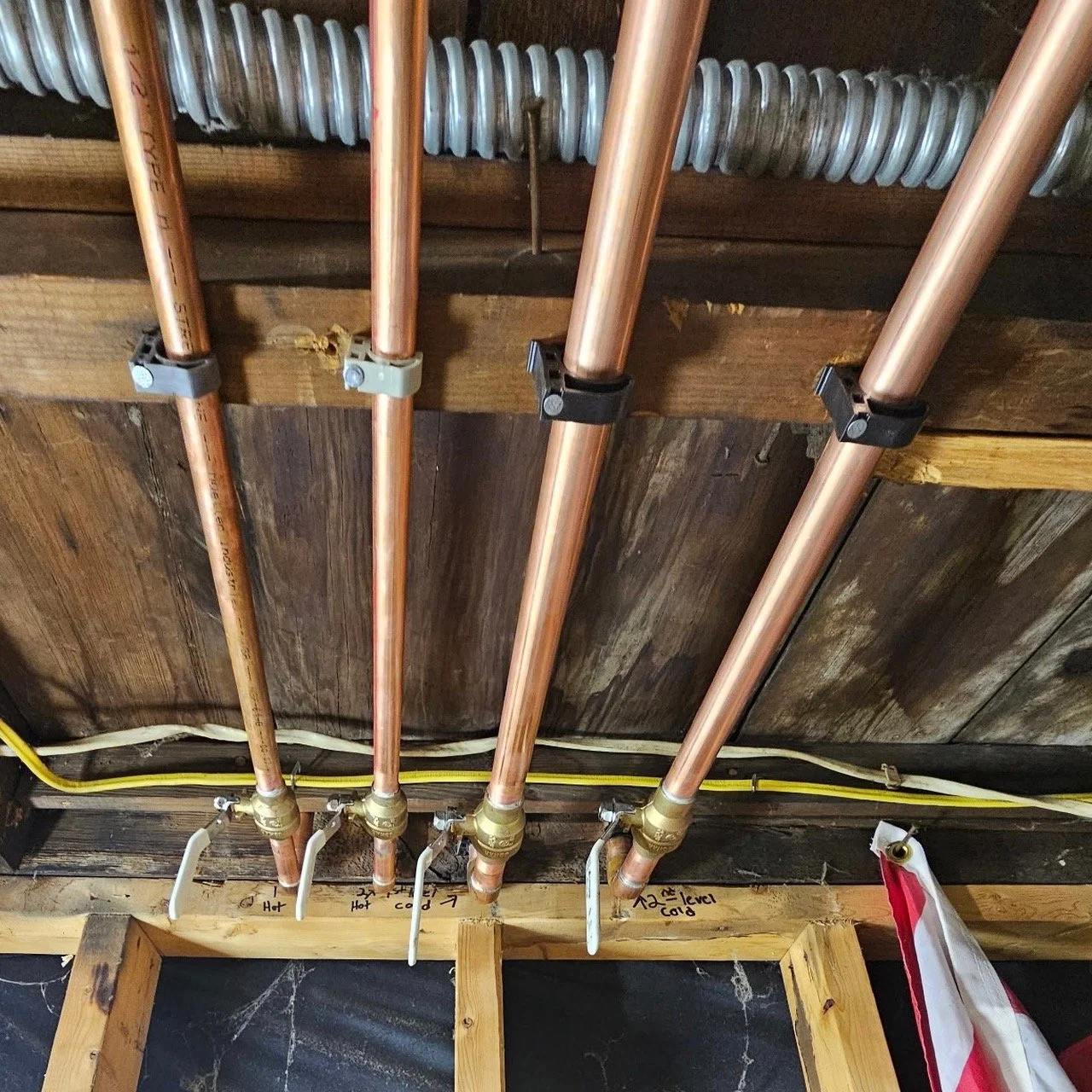
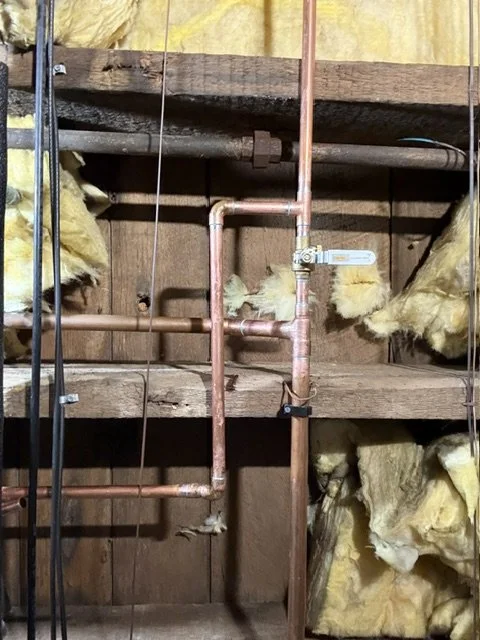
Every situation is different. A single leaking fitting or isolated damaged section can often be repaired successfully. However, if your home has widespread corrosion, multiple recurring leaks, consistently low water pressure, or extensive galvanized plumbing, replacement may be the more cost-effective long-term solution.
During our inspection, we’ll explain your options and help you understand the benefits and limitations of both repair and replacement so you can make an informed decision.
Why Is My Water Pressure Low?
Low water pressure isn’t always caused by the municipal water supply. Common causes include:
Internal corrosion in galvanized pipes
Hidden plumbing leaks
Failing pressure reducing valves (PRVs)
Mineral buildup
Partially closed shut-off valves
Water line restrictions
Aging plumbing systems
A professional inspection can identify the underlying cause and determine the appropriate repair.
Frequently Asked Questions
Can galvanized pipes be repaired?
Sometimes. Small leaks may be repairable, but if corrosion is widespread, replacement is often the better long-term solution.
How do I know if my home has galvanized plumbing?
Homes built before the 1970s are more likely to have galvanized water lines. Our plumbers can identify the material during an inspection.
Will replacing galvanized pipes improve water pressure?
In many cases, yes. Removing internal corrosion and restrictions often restores significantly better flow.
Do you replace water service lines?
Yes. We replace homeowner-owned water service lines from the meter into the home.
How long does water line replacement take?
Every project is different depending on the size of the home, accessibility, and the scope of work. We’ll provide a clear timeline during your estimate.
Can hidden water leaks damage my home?
Absolutely. Even small leaks can cause drywall damage, mold growth, wood rot, and increased water bills if left unaddressed.
Related Services
To strengthen your internal linking strategy, link naturally to:
Core Service Pages
Leak Detection
Whole-Home Plumbing Inspection
Drain Re-Piping
FAQ Pages
Main Shut-Off Valve FAQ
Blog Articles
Sump Pumps: The Unsung Hero Protecting Your Home’s Foundation
The Complete Homeowner’s Guide to Bathroom Remodels & Renovations
Service Areas
Ramblewood Plumbing Company proudly provides water line repair and replacement services throughout St. Louis City, St. Louis County, Jefferson County, and St. Charles County. We regularly help homeowners in Kirkwood, Webster Groves, Ballwin, Chesterfield, Wildwood, Fenton, Arnold, Oakville, Affton, Crestwood, Eureka, High Ridge, House Springs, Festus, and many surrounding communities restore dependable water service with expert plumbing solutions.
Customer Reviews
“Our 54-year-old home had a completely disintegrated kitchen drainpipe beneath our basement floor.”
— Jeannie B. ⭐⭐⭐⭐⭐
“He was knowledgeable, efficient, and left the area clean when he was done.”
— Loryn N.⭐⭐⭐⭐⭐
“Amazing plumber showed up on time, did an amazing job, and took his time making sure the install was the best.”
— GoldenTicket27⭐⭐⭐⭐⭐
Ready to Restore Your Water Lines?
Whether you’re dealing with a hidden leak, aging galvanized plumbing, low water pressure, or a failing water service line, Ramblewood Plumbing Company is here to help. We’ll inspect your plumbing, explain your options, and provide a solution built for long-term reliability.
Call today to schedule your water line inspection or repair with Ramblewood Plumbing Company.
| Repair May Be Best | Replacement May Be Best |
|---|---|
| Single localized leak | Multiple recurring leaks |
| Damaged fitting | Extensive galvanized piping |
| Minor pipe damage | Significant internal corrosion |
| Newer plumbing system | Low water pressure throughout the home |
| Isolated section | Aging water service line |