
Pressure Reducing Valve Frequently Asked Questions
Have questions about high water pressure, a failing water pressure regulator, or pressure reducing valve replacement? Ramblewood Plumbing Company answers common homeowner questions about warning signs, testing, repairs, installation, maintenance, and costs.
We help homeowners throughout St. Louis City, St. Louis County, St. Charles County, and Jefferson County understand their plumbing systems and make informed decisions about their homes.
Schedule Service | Call Ramblewood



What Should Homeowners Know About Pressure Reducing Valves?
A pressure reducing valve, also called a PRV or water pressure regulator, lowers incoming water pressure before it reaches your home’s fixtures and appliances. A malfunctioning valve can contribute to excessive pressure, weak flow, or pressure that changes unexpectedly. However, similar symptoms can come from other plumbing problems. Testing helps determine whether the valve needs adjustment, repair, or replacement—and whether water heater expansion or restricted piping is contributing to the issue.
Learn more about our pressure reducing valve services.
Understanding Water Pressure in Your Home
Water pressure affects everything from your morning shower to the performance of your washing machine. Too much pressure can strain plumbing connections and components, while insufficient pressure or restricted flow can make everyday tasks frustrating.
A pressure reducing valve controls the pressure entering the plumbing downstream of the valve. It typically operates automatically, without electricity, and may go unnoticed until something changes. Homeowners often discover a possible problem when faucets become unusually forceful, showers lose strength, or pipes begin making unfamiliar sounds.
Those symptoms do not automatically mean the regulator has failed. A clogged filter, partially closed shutoff valve, aging water line, or water heater expansion problem can produce similar complaints. Identifying the cause before replacing equipment helps avoid unnecessary work.
Pressure problems also deserve attention before they become recurring leaks or fixture repairs. A leaking faucet may need its own repair, but excessive pressure can place additional stress on the replacement parts if the underlying condition remains.
Ramblewood Plumbing Company provides pressure reducing valve installation, replacement, and water pressure troubleshooting throughout St. Louis City, St. Louis County, St. Charles County, and Jefferson County.
This guide explains what a PRV does, which symptoms warrant testing, how repair and replacement decisions are made, and what to expect during service. It also covers the relationship between pressure regulation, household flow, and thermal expansion so you can better understand the recommendations for your home.
Understanding Your Water Pressure Regulator
1. What is a pressure reducing valve?
A pressure reducing valve is a device that lowers incoming water pressure to a controlled level for the plumbing it supplies. Homeowners may also call it a pressure regulator or PRV.
The valve helps protect downstream plumbing from excessive supply pressure while allowing water to flow when fixtures are used. It serves a different purpose from your main shutoff valve, which stops the water supply, and your water heater’s relief valve, which provides emergency temperature and pressure protection.
2. How does a pressure reducing valve work?
A typical residential PRV uses an internal spring, diaphragm, and valve assembly to regulate downstream pressure.
The mechanism responds as water demand changes, opening and restricting the passage through the valve to maintain its intended outlet pressure within operating limits. It does not create additional supply pressure. Proper selection matters because the valve must handle the home’s incoming pressure and expected water demand without unnecessarily restricting flow.
3. Where is the pressure reducing valve usually located?
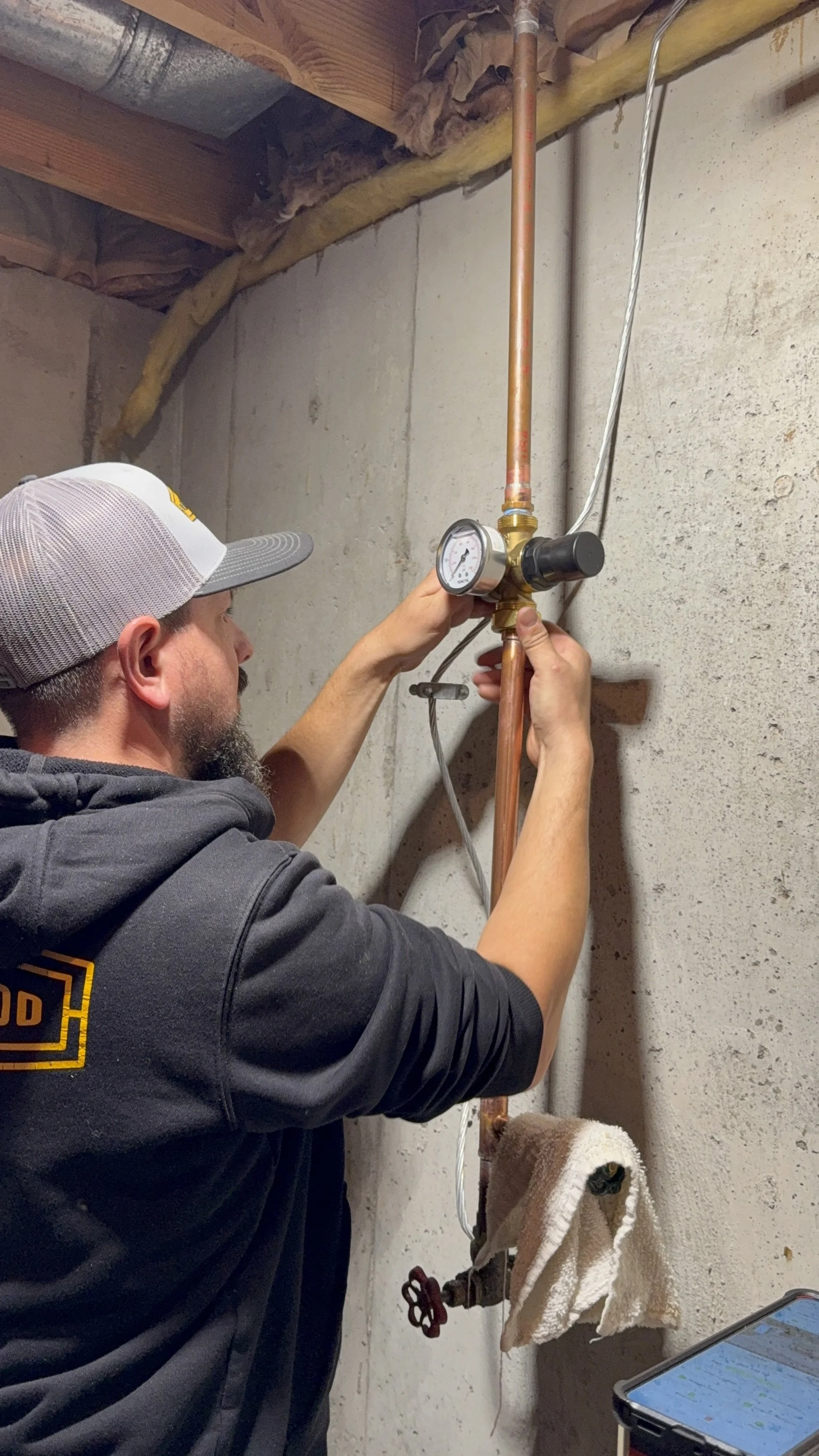
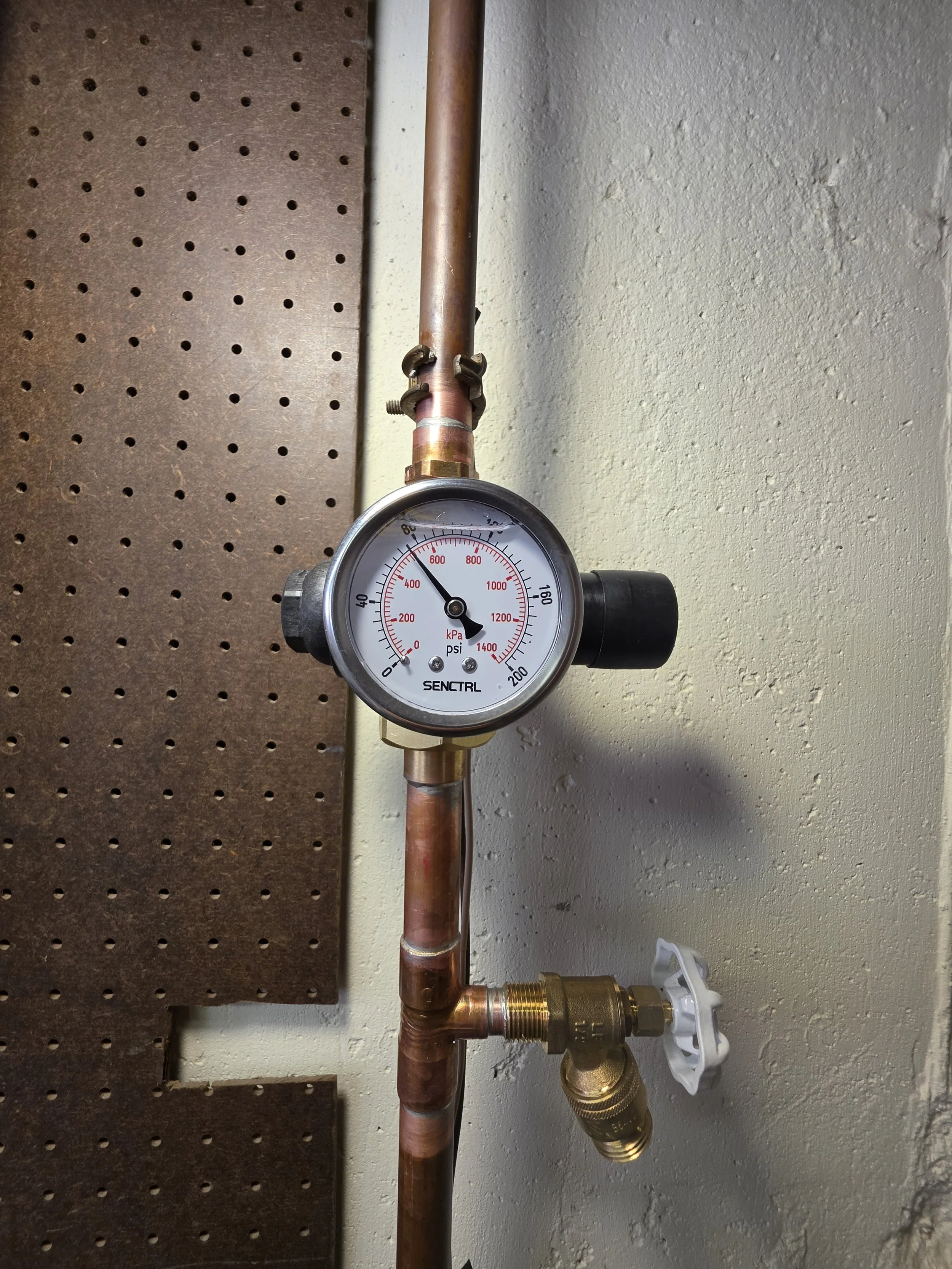
A PRV is usually installed on the main water supply near the point where water enters the home. Depending on the plumbing layout, it may be in a basement, utility area, crawl space, or an approved exterior location.
It often has a rounded or bell-shaped body with an adjustment assembly. Appearance varies by manufacturer, so avoid turning unfamiliar components to identify them. A plumber can locate the regulator and determine which fixtures or branches it supplies.
4. Does every home need a PRV, and what pressure is appropriate?
Not every home needs a pressure reducing valve; the decision depends on measured incoming pressure and the plumbing system’s requirements.
Many homes operate comfortably around 40–60 pounds per square inch, or PSI. A sustained reading above 80 PSI warrants professional evaluation. The appropriate setting also depends on elevation changes within the home, equipment requirements, and pressure loss while water is running.
A plumber should confirm the applicable local requirements rather than choose a setting based only on how strong a shower feels.
Common Pressure Reducing Valve Problems and Warning Signs
5. What are the signs that my pressure reducing valve is failing?
Possible signs include changes in pressure throughout the home, especially when several fixtures are affected.
Watch for:
Unusually forceful water delivery.
Weak flow at multiple fixtures.
Pressure that repeatedly rises or falls.
A strong initial burst followed by weaker flow.
Whistling, humming, or vibration near the regulator.
Water leaking from the valve or its connections.
These symptoms can have several causes. Pressure measurements and inspection are needed before concluding that the regulator requires replacement.
6. Can a faulty PRV cause low water pressure?
Yes. Internal wear, debris, or a malfunctioning valve assembly can restrict water delivery through a PRV.
However, weak flow can also result from clogged aerators, restricted filters, partially closed valves, leaks, or deteriorated piping. If only one faucet is affected, the problem may be local to that fixture.
Tell your plumber whether the issue affects hot water, cold water, or both, and whether it becomes worse when another fixture runs. Those details help narrow the diagnosis.
7. Why does my faucet start with a strong burst and then weaken?
A strong initial burst can indicate that pressure has built up while the water was off, but it does not identify the cause by itself.
A regulator that no longer seals properly may allow downstream pressure to creep upward. Water heater thermal expansion can also raise pressure, while restricted piping can limit flow once the faucet opens.
Testing pressure at rest and during water use helps distinguish these conditions. Simply turning the regulator down may leave the underlying problem unresolved.
8. Why is my pressure reducing valve humming, whistling, or vibrating?
Noise near a PRV can result from restricted passages, debris, worn internal parts, or operating conditions that do not suit the valve.
Sounds can also travel through piping from another component, making the source difficult to locate by ear. Note whether the noise occurs during toilet refilling, shower use, or operation of several fixtures together.
New, persistent, or worsening noise deserves inspection, particularly when accompanied by pressure changes. Avoid repeatedly adjusting the valve in an attempt to quiet it.
9. Does high water pressure cause banging pipes?
High pressure can contribute to plumbing stress, but banging pipes often involve water hammer—a pressure surge caused when moving water stops abruptly.
Quick-closing washing machine or dishwasher valves can trigger these sounds. Loose pipe supports and other installation conditions can also contribute.
Pressure regulation may be part of the solution, but some systems also need properly selected water hammer arrestors or improved pipe support. Replacing the PRV alone will not necessarily eliminate every noise.
10. Why is my PRV leaking, and when should I call a plumber?
A leaking PRV may have a connection problem, deteriorated seals, internal damage, corrosion, or freeze damage.
Schedule service for any persistent leak or unexplained pressure change. If water is actively escaping and you can safely operate the main shutoff, close it to limit damage. Do not force a seized shutoff valve.
Water near electrical equipment requires extra caution. Keep away from wet electrical components and arrange prompt assistance. A small drip also deserves attention because continued moisture can damage surrounding materials.
11. Why does my pressure rise when the water heater runs?
Pressure that rises during a water heating cycle may indicate thermal expansion in a closed plumbing system.
Water expands as it heats. When it cannot move back toward the supply, the system needs an appropriate way to accommodate that expansion. A pressure reducing valve does not replace a properly designed thermal expansion control arrangement.
A plumber can evaluate the regulator, existing expansion tank, and other relevant components. If the water heater’s relief valve discharges, do not cap or block the valve or its discharge pipe.
Should I Repair or Replace My Pressure Reducing Valve?
12. Can a pressure reducing valve be repaired or adjusted?
Some PRVs can be adjusted or repaired if their condition and manufacturer’s service options support it.
Adjustment may help when a working valve is set incorrectly. Certain models also have serviceable strainers or replaceable internal assemblies. Adjustment will not correct every damaged seat, deteriorated diaphragm, or restricted passage.
The plumber should establish why the pressure is wrong before recommending work, then verify the result with a gauge. A temporary improvement at one faucet does not prove the regulator is operating properly.
13. When should a pressure reducing valve be replaced?
Replacement becomes appropriate when the valve cannot regulate reliably, has significant deterioration, or is impractical to repair.
Factors include:
External and internal condition.
Whether adjustment holds.
Previous repairs and recurring symptoms.
Availability of compatible parts.
Suitability for the home’s water demand.
Repair cost compared with replacement.
Age provides useful context, but performance matters more than a date alone. A newer valve can malfunction, while an older valve may still regulate correctly.
14. Is repairing an older PRV worth it, and what happens if I wait?
Repair may be worthwhile when the valve body is sound, parts are available, and the work offers a reasonable expectation of reliable service.
Replacement may be a better investment when substantial labor is needed for an already deteriorated valve. Delaying service can leave the home exposed to continued excessive pressure, restricted flow, or an active leak.
Ask for an explanation of what failed, the proposed repair, and the replacement alternative. The decision should reflect the valve’s condition and the consequences of its current problem.
Pressure Reducing Valve Installation and Replacement Questions
15. How is the right pressure reducing valve selected?
The right PRV is selected using incoming pressure, desired outlet pressure, pipe size, expected flow, and installation requirements.
Matching the existing connection size is only part of the process. A valve must also perform appropriately when several fixtures operate together.
The plumber considers potable-water suitability, connection materials, accessibility, and manufacturer instructions. Homes with unusually high supply pressure or demanding flow conditions may require a different arrangement from a straightforward residential replacement.
16. How long does replacement take, and will my water be off?
A straightforward, accessible replacement may take a few hours, with the water shut off during part of the appointment.
The total time depends on valve access, piping condition, working shutoffs, required modifications, and any additional expansion-control work. Corroded connections or concealed piping can extend the project.
Your plumber should explain the anticipated interruption before starting. Plan household activities accordingly, and mention any equipment or household needs that make a water shutdown especially important to coordinate.
17. What happens during a pressure reducing valve appointment?
The appointment begins with evaluating the pressure complaint and accessible plumbing.
The service process generally includes:
Measuring pressure and reviewing symptoms.
Checking the regulator and related components.
Explaining the findings and available options.
Reviewing pricing before approved work begins.
Completing the adjustment, repair, or replacement.
Checking for leaks and testing operation.
Reviewing the results with the homeowner.
Pressure testing may include readings with fixtures closed and while water is flowing, depending on the symptoms.
18. Will walls, floors, or cabinets need to be opened?
Many PRV replacements can be completed through existing access, but concealed valves may require an opening.
Finished basement walls, tight utility spaces, or previous remodeling can make the regulator difficult to reach. Damaged nearby piping may also expand the work beyond the valve itself.
Ask how access will be obtained and whether any finish repairs are included in the proposed scope. Keeping a regulator accessible helps with future inspections, adjustments, and replacement.
19. Can I replace a PRV myself, and are permits required?
Professional installation is advisable because the PRV connects to the main water supply and affects the plumbing throughout the home.
The work involves safe isolation, suitable materials, leak-free connections, correct flow direction, appropriate adjustment, and testing. Thermal expansion control may also need evaluation.
Permit and inspection requirements depend on the jurisdiction and project scope. Confirm those requirements before work begins. Manufacturer instructions and local rules should guide the installation rather than assumptions based on a similar project elsewhere.
20. How much does pressure reducing valve replacement cost?
The cost depends on the valve and the work required to install it correctly.
Pricing factors include:
Valve size, model, and connection type.
Accessibility.
Condition of surrounding piping.
Whether shutoff valves need attention.
Required piping changes.
Thermal expansion control.
Permits, inspections, and labor.
A valve-only replacement and a project involving deteriorated piping may have very different costs. Contact Ramblewood to discuss your symptoms and arrange an evaluation so the recommended scope and pricing can be explained before approved work begins.
Maintaining Your Pressure Reducing Valve
21. How long does a pressure reducing valve last?
A PRV’s service life varies with its design, water conditions, incoming pressure, usage, and maintenance.
There is no single replacement age that accurately applies to every home. Manufacturer guidance and actual performance provide a better basis for deciding when service is needed.
If the installation date is unknown, a pressure evaluation can establish a useful baseline. Keep the valve information and service records so future changes can be compared with earlier readings and repairs.
22. What maintenance does a PRV require, and how often should it be checked?
A PRV needs periodic performance checks and any model-specific maintenance required by its manufacturer.
Homeowners can keep the area accessible, look for moisture or corrosion, and report changes in pressure. Internal cleaning, strainer service, and disassembly are best handled by a plumber.
Consider including a pressure check during an annual plumbing inspection, with additional evaluation whenever symptoms appear. Follow the manufacturer’s maintenance schedule when one is provided, particularly for valves with serviceable components.
23. Can hard water affect my pressure reducing valve?
Mineral buildup and sediment can affect some valve components, but water conditions must be evaluated before recommending treatment.
A water softener addresses hardness minerals; it does not regulate excessive incoming pressure. Likewise, replacing a PRV does not soften water or remove contaminants.
If deposits or recurring restrictions are a concern, ask whether a water quality evaluation would be useful. Learn more about water softener installation and repair and water filtration options.
Pressure Reducing Valve Questions for St. Louis-Area Homeowners
Water pressure can differ between properties because of elevation, water supply conditions, and the home’s plumbing layout. A neighbor’s pressure reading does not establish what is happening inside your house. Measurements should reflect your own incoming supply and downstream plumbing.
Older St. Louis-area homes may have a mixture of original piping and later replacements. Restricted galvanized lines, deteriorated shutoffs, and inaccessible utility connections can complicate a pressure complaint. A regulator adjustment cannot restore the inside diameter of a restricted pipe.
Basement finishes also matter. A valve that was once easy to reach may now sit behind a wall or cabinet, affecting access and project planning. Exposed piping in unheated areas deserves attention before freezing weather.
Ramblewood Plumbing Company serves homeowners throughout St. Louis City, St. Louis County, St. Charles County, and Jefferson County. Because project requirements vary between jurisdictions, installation plans should account for the property’s location as well as the plumbing conditions found during inspection.
24. Will a new PRV improve flow through old galvanized pipes?
A new PRV may improve flow if the existing regulator is the restriction, but it cannot remove corrosion inside old pipes.
A house can have adequate pressure with all faucets closed and still deliver poor flow when several fixtures run. That distinction matters when evaluating older supply piping.
Testing helps determine whether the regulator, water service, interior piping, or several components are responsible. Increasing the pressure setting to compensate for restricted pipes can place additional stress on the system.
25. Can freezing weather damage a pressure reducing valve?
Yes. Water freezing inside a valve or its connected piping can cause damage.
Regulators in unheated crawl spaces, exterior enclosures, or drafty utility areas may need attention before winter. Keep the area protected using methods appropriate for the installation, and avoid open flames or improvised heating devices.
After a suspected freeze, watch for leaks and changes in water delivery as temperatures rise. Arrange inspection if the valve leaks, the housing appears damaged, or pressure behaves differently afterward.
26. Why is my pressure different from my neighbor’s?
Different pressure readings can result from elevation, separate supply conditions, regulator settings, and differences in household piping.
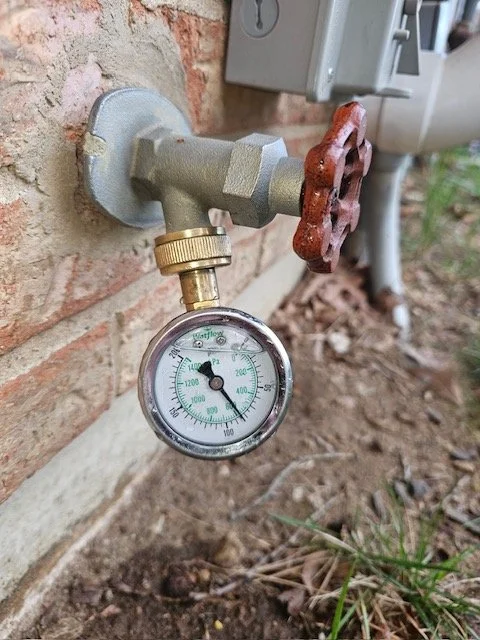
The measurement location matters, too. An outdoor faucet may be connected before the PRV and show a different reading from fixtures supplied through it.
For a useful comparison, your plumber needs to know where readings were taken and whether water was running. Testing your own system provides a more reliable basis for recommendations than matching another home’s regulator setting.
Comparing Adjustment, Repair, and Replacement
Working With Ramblewood Plumbing Company
27. Does Ramblewood provide PRV service and inspect the system before recommending replacement?
Yes. Ramblewood provides pressure reducing valve installation, replacement, and water pressure troubleshooting.
Our evaluation helps determine whether adjustment, repair, replacement, or attention to another plumbing component is appropriate. Explain when the symptoms occur and whether they affect one fixture or the entire home.
You can also share previous pressure readings, recent plumbing changes, and any history of regulator repairs. These details help us understand the complaint and explain the recommended next step.
28. What areas does Ramblewood serve, and are you licensed and insured?
Ramblewood Plumbing Company serves St. Louis City, St. Louis County, St. Charles County, and Jefferson County.
Ramblewood is a fully licensed, insured, and bonded plumbing company. When scheduling, provide the property address and a brief description of the pressure issue so we can discuss the service request.
Visit our service area overview for more information about the communities we serve.
29. Will I receive pricing before work begins?
Yes. Ramblewood explains the recommended work and pricing before approved work begins.
The scope depends on what the evaluation reveals, including the regulator’s condition, access, and any related piping concerns. Ask what is included and whether the recommendation addresses the valve alone or additional components.
If you are comparing repair and replacement, ask how the condition of the existing equipment affects each option. Understanding the scope makes it easier to compare recommendations and choose how to proceed.
30. How do I schedule a pressure reducing valve appointment?
Call or text Ramblewood Plumbing Company at (314) 922-1284, or use our website contact form.
Tell us whether you are experiencing excessive pressure, weak flow, fluctuating pressure, noise, or a visible leak. Mention whether the problem started suddenly and whether all fixtures are affected.
If you already have a pressure reading, share the number and where it was measured. You do not need to diagnose the problem before contacting us.
Schedule pressure reducing valve service.
Learn More About Water Pressure and Related Plumbing
Pressure Reducing Valve Services — Explore installation, replacement, and water pressure troubleshooting.
Expansion Tank Installation — Learn how expansion tanks help accommodate expanding water.
Water Filter Services — Explore filtration and maintenance considerations.
Plumbing FAQ Library — Browse homeowner questions about other plumbing systems.
Service Areas — Find information about Ramblewood’s service coverage.
Have More Questions About Pressure Reducing Valves?
Every home and plumbing system is different. If you are experiencing unusually strong water pressure, weak flow, or pressure that changes unexpectedly, Ramblewood Plumbing Company can help identify the cause.
Our licensed plumbing professionals will evaluate the problem, explain what they find, and recommend the appropriate next step for your home.
Ramblewood Plumbing Company proudly serves homeowners throughout St. Louis City, St. Louis County, St. Charles County, and Jefferson County.
Schedule Pressure Reducing Valve Service | Call (314) 922-1284
| Plumbing Problem | Common Warning Signs | Possible Causes |
|---|---|---|
| High Water Pressure | Banging pipes, dripping faucets, running toilets, frequent fixture leaks, or unusually forceful water flow. | Excessive municipal supply pressure, improperly adjusted PRV, or failing pressure regulator. |
| Low Water Pressure | Weak showers, slow-filling appliances, reduced faucet flow, or difficulty using multiple fixtures. | Corroded galvanized water lines, partially closed shut-off valves, plumbing leaks, or fixture restrictions. |
| Failing Pressure Reducing Valve (PRV) | Sudden pressure changes, unusually high or low pressure throughout the home, or inconsistent pressure. | Worn internal components, mineral buildup, damaged valve mechanisms, or incorrect adjustment. |
| Water Hammer | Loud banging or knocking sounds when faucets or appliances shut off. | Sudden changes in water flow, excessive water pressure, or inadequate water hammer protection. |
| Pressure Increases After Water Heater Runs | Pressure spikes, dripping water heater relief valve, or intermittent plumbing leaks. | Thermal expansion in a closed plumbing system or a missing, improperly sized, or failed expansion tank. |
Important: These symptoms can have multiple causes. A professional plumbing inspection and water pressure test can help identify the underlying problem before repairs are recommended.
Comparing PRV Adjustment, Repair, and Replacement
| Option | Best For | Advantages | Considerations |
|---|---|---|---|
| Adjustment | A working valve with an unsuitable pressure setting. | May resolve the issue without replacing equipment. | Requires pressure testing; does not correct damaged parts. |
| Repair | A serviceable valve with an identifiable, repairable fault. | Can retain a sound existing valve. | Parts availability, labor costs, and overall valve condition affect value. |
| Replacement | A deteriorated, unsuitable, or unreliable valve. | Provides a new pressure regulator selected for the plumbing system. | May require piping modifications and related plumbing work. |
The appropriate solution depends on measured water pressure, valve condition, and the needs of your plumbing system. A professional evaluation can help determine whether adjustment, repair, or replacement is appropriate.
Read what our customers are saying…
Chris Muelleropen
⭐⭐⭐⭐⭐
Mike and Mary are a local small business that are responsive with great communication. Put their number in your contacts and Mike will do great work.